Mosquito Control in Durham, NC
Freedom Wildlife Solutions & Pest Control
Are pests and wildlife keeping you up at night? We are your Solution!
Call for a Mosquito Control Consultation Today!
Home » Durham County » Durham, NC » Mosquito Control Durham, NC
Mosquito Control in Durham, NC
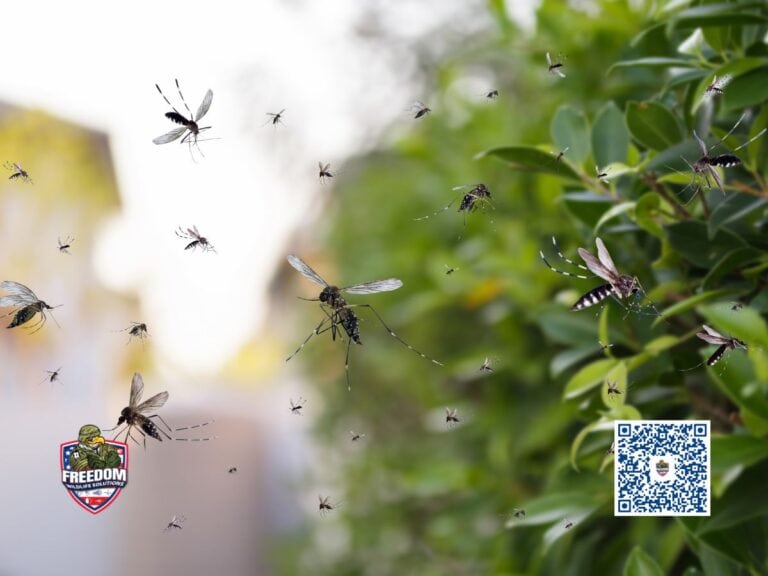
Mosquito pressure in Durham is higher than most homeowners expect — and the geography is the reason. The Eno River and its tributaries run directly through residential areas. Jordan Lake sits on Durham’s southwestern boundary. HOA communities across southern Durham have retention ponds built into their landscaping. Combine that with NC’s warm, humid summers and you have ideal mosquito breeding conditions from spring through fall.
Freedom Wildlife Solutions & Pest Control is a veteran-owned pest control company serving Durham and all of Durham County. Our mosquito control service runs March through October — targeted barrier treatments on a scheduled rotation that significantly reduces the mosquito population on your property and keeps it down between visits.
With over 500 five-star Google reviews, we’re the local company Durham homeowners call when they want results, not excuses.
Why Durham Homeowners Choose Freedom Wildlife Solutions & Pest Control
There’s no shortage of mosquito spray companies in the Triangle. Here’s what’s different about us:
- Veteran-owned and local — based in Clayton, serving Durham since 2018
- Licensed and insured in North Carolina
- Scheduled rotation service March through September — not one-and-done
- Barrier treatments targeting adult mosquitoes plus larvicide for standing water sources
- We treat your property’s specific pressure points — not a generic broadcast spray
- 500+ five-star Google reviews across Wake and Durham Counties
- Mosquito service available as standalone or included in Premium Guard recurring plan

Request Your Pest or Wildlife Service Now!
Why Mosquito Pressure Is High in Durham, NC
Mosquitoes need standing water to breed — and Durham has no shortage of it. Here’s what drives mosquito populations in Durham specifically:
Eno River and creek corridors
The Eno River runs through the heart of Durham, with tributaries extending into residential neighborhoods throughout the city. Properties near Eno River State Park, West Point on the Eno, and the creek systems feeding into it see consistently high mosquito pressure from late spring through September. Even properties a mile or more from the river feel the impact during peak breeding weeks after rain.
Jordan Lake proximity
Jordan Lake and its watershed sit on Durham’s southwestern boundary, with fingers extending into southern Durham County. Neighborhoods in the Hope Valley, Southpoint, and Herndon Hills corridors sit directly in the zone most affected. Standing water from the lake’s drainage patterns and the surrounding lowland vegetation creates sustained breeding habitat throughout the season.
HOA retention ponds and irrigation
Durham’s planned HOA communities — Treyburn, Croasdaile, Southpoint-area developments — were built with retention ponds for stormwater management. These ponds are legal but they’re also ideal mosquito habitat. Without active larval treatment, HOA communities with retention ponds see significantly higher mosquito pressure than surrounding areas.
NC mosquito season window
In central NC, mosquito season runs from approximately March through October, with the peak pressure months being May through October. Our barrier treatment service runs March through September — timed to be in place before the season peaks and to carry through the most active months.
Mosquito control is included in our Premium Guard pest protection plan. For homeowners looking for comprehensive year-round coverage, see our pest control plans for Durham — mosquito treatment is bundled with 9 annual visits covering ants, roaches, rodents, and more.
Our Comprehensive Mosquito Control Services
At Freedom Wildlife Solutions, we offer a holistic approach to mosquito control, ensuring your property is protected from these pests. Our services include:
Detailed property inspection
Before we spray anything, we walk your property and identify every breeding site and harborage area — standing water in gutters, birdbaths, tarps, low spots in the yard, and dense vegetation where mosquitoes rest during the day. We document what we find and build the treatment plan around your specific property, not a generic protocol.
Customized mosquito treatment
Our barrier treatment applies to shrubs, ground cover, and shaded resting areas around your property — the places adult mosquitoes congregate between feedings. For properties with standing water that can’t be eliminated (retention ponds, drainage ditches), we apply larvicide to interrupt the breeding cycle before mosquitoes emerge. Treatment is scheduled on a rotation that keeps your yard protected through the peak season without gaps.
If your property inspection turns up evidence of rodent activity alongside mosquito pressure — common in Durham homes near creek corridors — see our rodent control in Durham page. We can assess both on the same visit.
Ongoing monitoring and maintenance
Mosquito control is a season-long commitment, not a single treatment. We schedule return visits throughout the March through September service window — typically every 21 days — to reapply barrier treatment as it breaks down and address any new breeding sites that have developed. If mosquito activity picks back up between scheduled visits, call us and we’ll return at no additional charge.
Preventative strategies and education
The most effective mosquito control combines professional treatment with property-level prevention. We walk through the basics with every customer: eliminating standing water in gutters and yard containers, managing dense vegetation, and identifying conditions specific to your property that are contributing to mosquito pressure. Small changes make a measurable difference between visits.
Mosquito Control in Durham, NC — Frequently Asked Questions
When does mosquito season start in Durham, NC?
Mosquito activity typically begins in late March or early April in central NC as temperatures consistently reach the mid-50s Fahrenheit. Peak pressure runs May through October. We start our service window in March to ensure your property is protected before the population spikes — not after.
How often do I need mosquito treatments in Durham?
We recommend treatments on a 21-day rotation through the service season. Barrier products break down over time — especially after rain — and the mosquito breeding cycle is approximately 14 days from egg to adult. Treating every 21 days keeps the population suppressed without gaps in coverage.
Are your mosquito treatments safe for kids and pets?
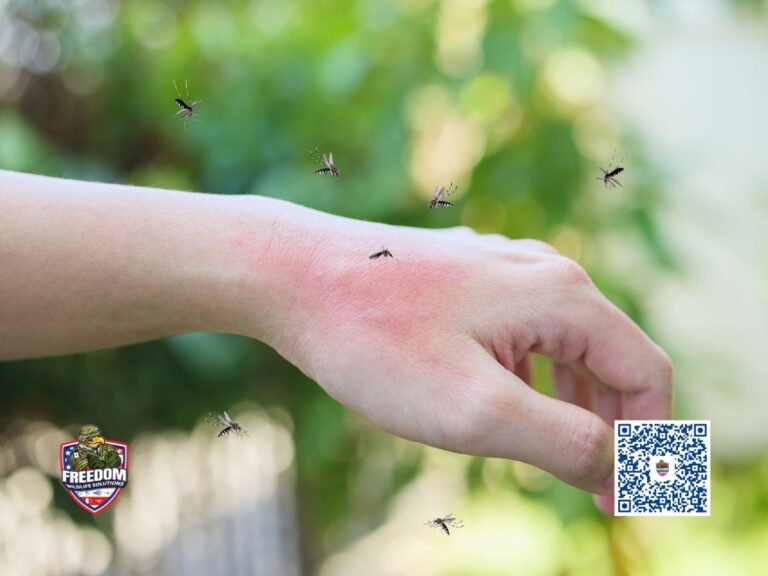
Yes. We use EPA-registered products applied to vegetation and resting areas — not directly to people, pets, or edible plants. We’ll communicate any specific precautions at time of service, such as keeping children and pets off treated areas until dry (typically 30 to 60 minutes). Once dry, the treatment poses no risk.
Can you treat a property with a retention pond?
Yes. HOA retention ponds and private water features are treatable with larvicide — a biological treatment that targets mosquito larvae in the water without harming other wildlife. This is the most effective approach for standing water that can’t be eliminated. We assess the water source and treat accordingly.
Is mosquito control included in your recurring pest plans?
Yes — mosquito control is included in our Premium Guard plan (12 visits per year). It’s also available as a standalone seasonal service for homeowners who don’t need full-year pest coverage. We’ll recommend the right option after your first inspection.
Schedule Your Durham Mosquito Control Service
Don’t wait until mosquitoes have taken over your backyard. The earlier in the season you start treatment, the more effective the program is — we’re interrupting the breeding cycle before the population peaks, not chasing it after.
We serve all of Durham and Durham County. Call (919) 584-8650 or use the form below to get started.
Dealing with more than just mosquitoes? If you’ve got wildlife activity around your property alongside the pest pressure, our wildlife removal in Durham team can assess both on the same visit.