

Raccoon Removal in Wake Forest, NC
Freedom Wildlife Solutions & Pest Control
Roaches, Ants, Rodent Oh My? We are your Solution!
Call Us Today!
Home » Wake County » Wake Forest, NC » Raccoon Removal Wake Forest, NC
A raccoon in a Wake Forest attic is almost always a female looking for a den site to raise kits. That changes the entire job — sealing a mother out before her kits can leave means trapping the young inside to die. Freedom Wildlife Solutions & Pest Control inspects for kits before any exclusion, removes the family safely, and seals every entry point. New to us? Meet the team behind our Wake Forest wildlife & pest services.
We are veteran-owned and operated, NC-licensed for wildlife exclusion. Raccoon work done wrong is destructive, dangerous, and inhumane. We do it right.
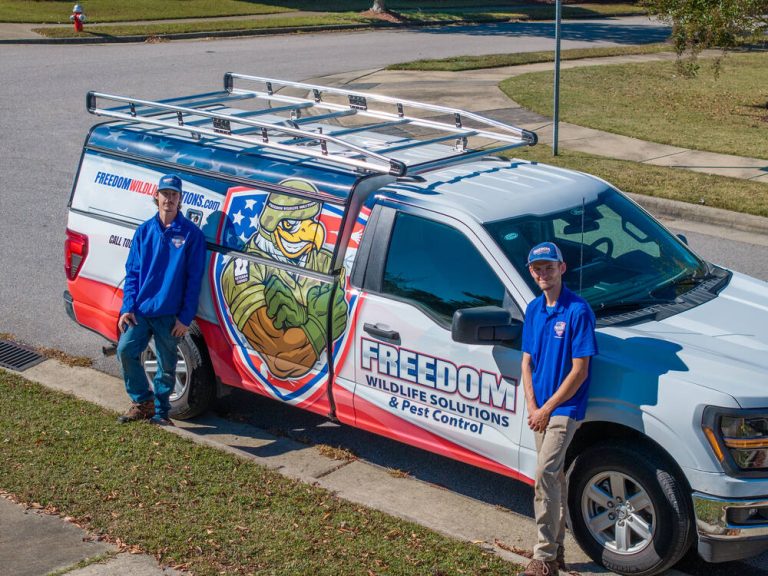
Why Wake Forest Homeowners Choose Freedom Wildlife Solutions & Pest Control
- Veteran-owned, NC-licensed for wildlife exclusion.
- We check for kits every time. Never seal a mother out from her young.
- Exclusion warrantied — sealed entries do not re-open under our work.
- 521 five-star reviews from homeowners across central North Carolina.
Seeing tracks under the deck but not sure what made them? Opossums and raccoons both den under decks and outbuildings. See our opossum removal in Wake Forest page if you suspect an opossum.

Request Your Pest or Wildlife Service Now!
Wake Forest Neighborhoods We Serve
We treat homes across Wake Forest — Heritage, Hasentree, Traditions, Bowling Green, Stonegate, Wake Forest Reserve, the wooded communities near Falls Lake, and the older neighborhoods around downtown North Main.
Not sure if it is a raccoon? See our broader wildlife removal in Wake Forest page for bats, birds, squirrels, and opossums. Or call (919) 584-8650.
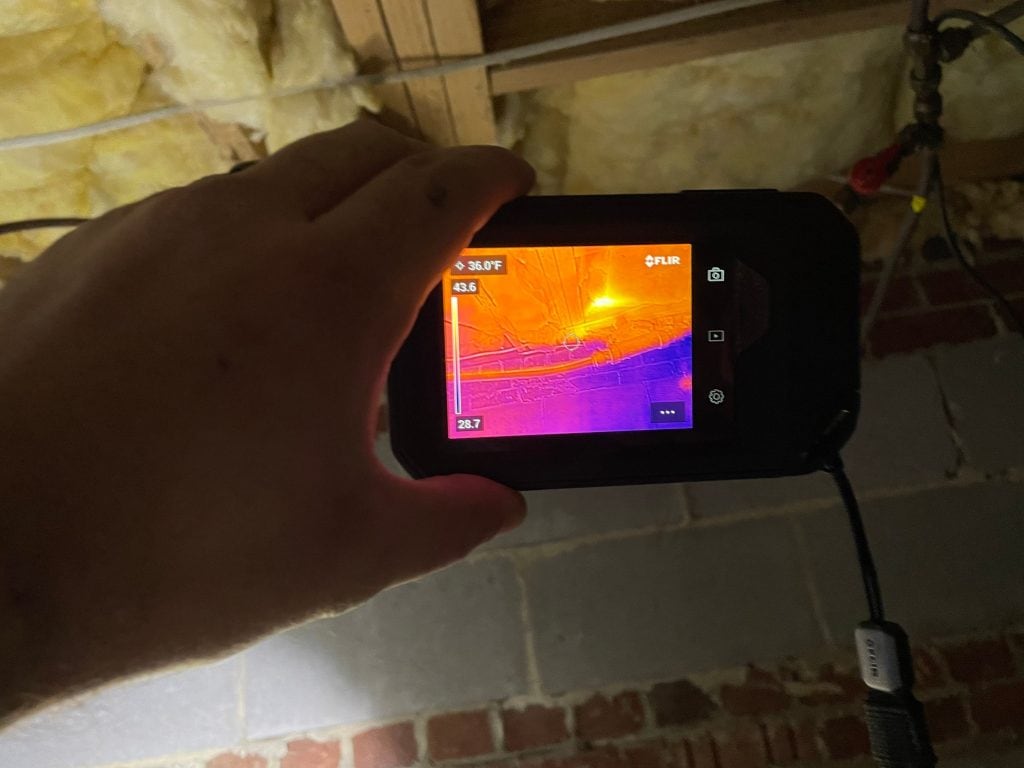
Common Raccoon Entry Points in Wake Forest Homes
- Roof vents and chimney caps — uncapped chimneys are the #1 raccoon entry point in Wake Forest.
- Soffit corners — wide enough for a raccoon to pry open if the wood is weathered.
- Crawl space vents and access doors — common in older downtown North Main properties.
- Under decks, sheds, and outbuildings — favorite denning spots not attached to the home.
- Garage corners and door gaps — once inside the garage, raccoons may move into attached living space.
Raccoons are strong and dexterous. A small gap turns into a large entry point quickly.
How We Handle Raccoon Calls
Inspection — Always Check for Kits First
Female raccoons den between March and August to raise kits. Before any sealing or trapping decision, we inspect for young. If kits are present, we wait until they can travel with the mother before final exclusion — or we hand-remove them when needed. Skipping this step leaves dead kits in walls and attics.
Removal
Fluid eviction, or trapping at active entry points, or one-way exclusion devices when conditions allow. Removed raccoons are handled per NC regulations.
Exclusion and Repair
We seal every active and likely entry point with materials raccoons cannot pry or chew through. Chimney caps installed. Soffits patched. Crawl space vents reinforced. Damage from raccoon entry — torn insulation, gnawed wood, droppings — is cleaned and repaired or replaced.
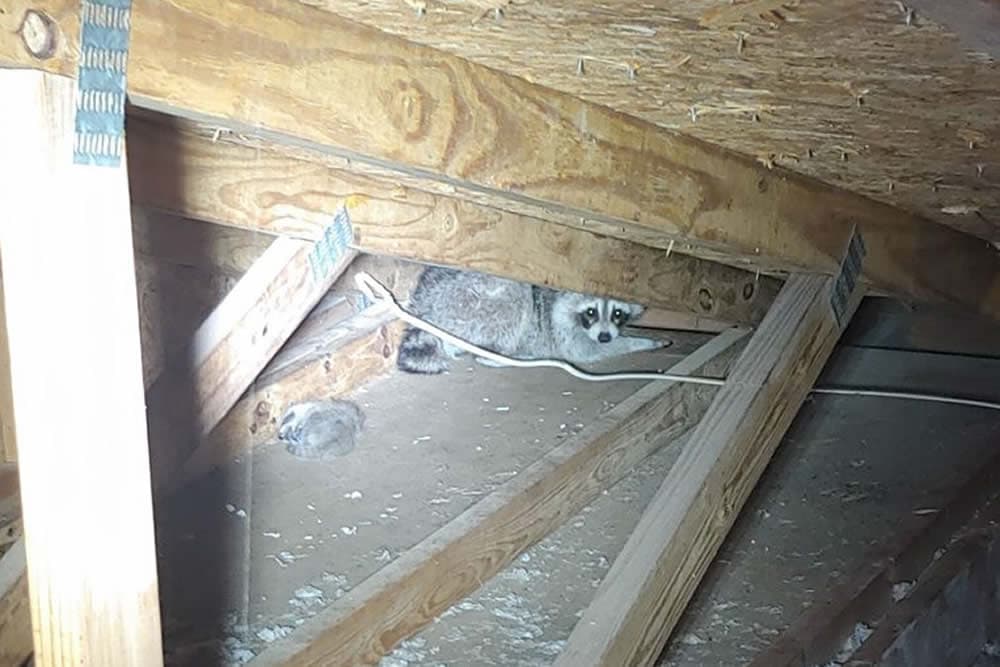
Frequently Asked Questions About Raccoon Removal in Wake Forest
How do I know if I have a raccoon and not a possum?
Raccoons are larger, with distinct black masks and ringed tails. Track patterns are different — raccoon prints look almost hand-like with five long fingers. Sound is heavier overhead. The inspection identifies the species before any treatment begins.
How much does raccoon removal cost in Wake Forest?
Cost depends on access, scope, whether kits are present, and the extent of exclusion and damage repair needed. Chimney-only removals run lower; full attic exclusion with cleanup runs higher. We quote after the inspection.
What if there are kits in my attic?
Then the job changes. We do not seal a mother out from her young — it traps and kills the kits and creates a worse problem inside your walls. Depending on timing, we either wait for the kits to be mobile or hand-remove the family together. We always inspect first.
Are raccoons dangerous?
They carry rabies, distemper, and roundworm. They are also strong and will defend kits aggressively. Do not try to handle or trap raccoons yourself — call (919) 584-8650.
Will the raccoon come back?
Not through the entry points we have sealed. Our exclusion is warrantied. Raccoons can find new vulnerabilities over years as the structure ages, but they do not re-enter where we have closed the access.